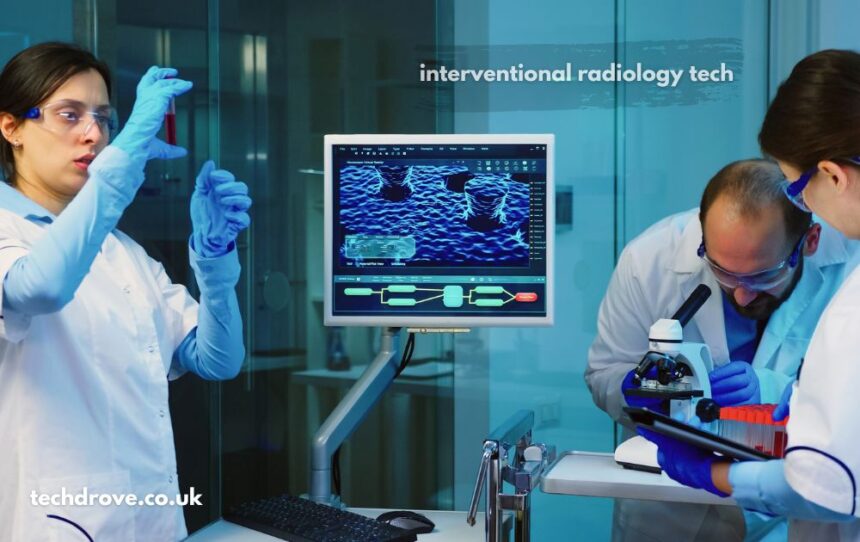
If you enjoy fast-paced medical environments and want to be part of life-saving procedures without the years of med school, becoming an interventional radiology tech might be the perfect fit. This specialized field blends imaging technology with hands-on patient care in ways few other radiology jobs do.
What Is an Interventional Radiology Tech?
An interventional radiology tech is a specialized radiologic technologist who assists physicians during minimally invasive procedures guided by imaging equipment like X-rays, fluoroscopy, and CT scans. Unlike standard diagnostic imaging roles, these techs work directly inside procedure rooms, helping treat conditions such as blocked arteries, tumors, and blood clots. They operate advanced imaging systems while monitoring patient vitals and assisting the interventional radiologist in real time. This role requires a mix of technical precision and calm under pressure, since many procedures involve critically ill patients.
Key Responsibilities of an Interventional Radiology Tech
This role goes far beyond operating machines; it involves active participation in patient care before, during, and after procedures.
- Prepping patients and explaining procedures in simple terms
- Operating fluoroscopy, angiography, and CT-guided imaging equipment
- Assisting physicians with catheters, guidewires, and other tools
- Monitoring patient vitals throughout the procedure
- Maintaining sterile technique in the procedure room
- Documenting imaging data and procedure details accurately
- Ensuring radiation safety protocols are followed
Skills Needed to Succeed in This Career
Success in interventional radiology depends on more than just technical know-how.
- Strong attention to detail under time pressure
- Solid understanding of human anatomy and vascular systems
- Comfort working with critically ill or anxious patients
- Ability to collaborate closely with physicians and nurses
- Sharp problem-solving skills during unexpected complications
- Physical stamina for long procedures and standing for extended periods
Education and Certification Requirements
Becoming an interventional radiology tech starts with an associate or bachelor’s degree in radiologic technology. After completing an accredited program, candidates must pass the American Registry of Radiologic Technologists (ARRT) certification exam. Many professionals then pursue an additional ARRT certification specifically in Vascular-Interventional Radiography (VI) to specialize further. Some employers also require Basic Life Support (BLS) certification, since techs often work in high-acuity settings where emergencies can happen quickly.
Where Do Interventional Radiology Techs Work?
These professionals aren’t limited to one type of facility, which makes the career path flexible.
- Hospitals (especially trauma centers and cardiac units)
- Outpatient interventional radiology clinics
- Cancer treatment centers
- Cardiovascular and vascular surgery centers
- Academic medical centers with teaching hospitals
- Mobile imaging units in some regions
Interventional Radiology Tech Jobs: Current Demand and Outlook
Interventional radiology tech jobs are growing steadily as minimally invasive procedures become more common across healthcare. Hospitals increasingly prefer image-guided treatments over traditional surgery because they reduce recovery time and complications. This shift has created strong demand for skilled techs who can support these procedures. Rural and suburban hospitals, in particular, are actively recruiting to fill gaps, often offering relocation assistance or sign-on bonuses to attract qualified candidates.
How to Find Interventional Radiology Tech Jobs
Landing the right position takes more than just submitting applications randomly.
- Check job boards like Indeed, ASRT Career Center, and LinkedIn regularly
- Network through professional organizations like SIR (Society of Interventional Radiology)
- Reach out directly to hospital HR departments in your target area
- Consider travel tech positions for higher pay and varied experience
- Get your resume reviewed by mentors already working in IR
- Attend radiology conferences to make industry connections
Interventional Radiology Tech Salary: What to Expect
Pay in this field reflects the specialized skill set and high-pressure environment these techs work in daily. On average, interventional radiology techs earn more than general radiologic technologists due to their additional certification and procedural responsibilities. Salaries typically range based on experience level, geographic location, and facility type, with hospital-based roles often paying more than outpatient clinics. Techs working night shifts, weekends, or on-call hours frequently receive additional pay differentials that boost overall annual earnings.
Factors That Affect Interventional Radiology Tech Salary
Several variables can significantly change how much a tech takes home each year.
- Experience level: entry-level pay differs greatly from techs with 5+ years
- Location: urban and high-cost-of-living areas usually pay more
- Facility type: trauma centers often pay higher than small clinics
- Certifications held: additional credentials like VI boost earning potential
- Shift differentials: night and weekend shifts often include extra pay
- Union vs. non-union facilities: union hospitals may offer standardized raises
Tips to Advance Your Interventional Radiology Career
Growing in this field requires ongoing effort even after landing your first job.
- Pursue additional certifications like CT or MRI to widen your skill set
- Take on leadership roles like lead tech or department supervisor
- Stay current with new imaging technology through continuing education
- Build relationships with physicians who can recommend you for promotions
- Consider travel assignments to boost both pay and experience diversity
- Join professional associations for networking and job alerts
Conclusion
Interventional radiology tech is a rewarding career for those who want hands-on involvement in patient care without pursuing a physician’s path. With strong job demand, competitive pay, and opportunities to specialize further, this field offers real room for growth. Whether you’re just starting your education or looking to transition from general radiography, the path is well worth exploring for anyone drawn to fast-paced, meaningful medical work.
FAQs about interventional radiology tech
What is the difference between a radiology tech and an interventional radiology tech?
An interventional radiology tech specializes in image-guided procedures, while a general radiology tech focuses mainly on diagnostic imaging.
How long does it take to become an interventional radiology tech?
It typically takes 2 to 4 years, depending on the degree program chosen.
Is interventional radiology tech a stressful job?
It can be stressful due to high-acuity cases, but many techs find it rewarding.
Do interventional radiology techs need a college degree?
Yes, an associate or bachelor’s degree in radiologic technology is required.
What certifications help boost an interventional radiology tech salary?
The ARRT Vascular-Interventional (VI) certification is the most valuable add-on credential.